
"The biggest crisis of the region is one of imagination."
— Rust Belt Lab, Ursuline College
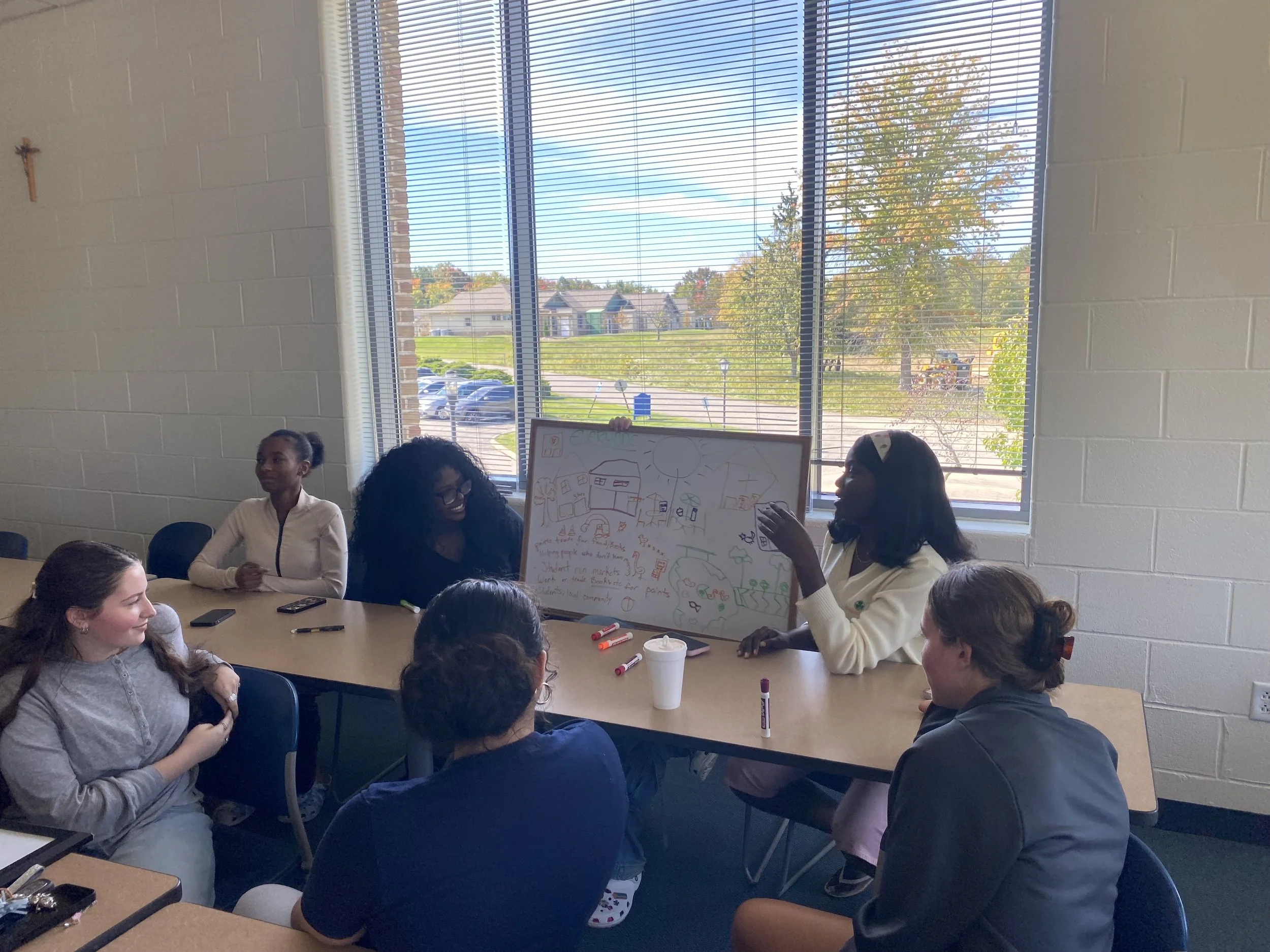
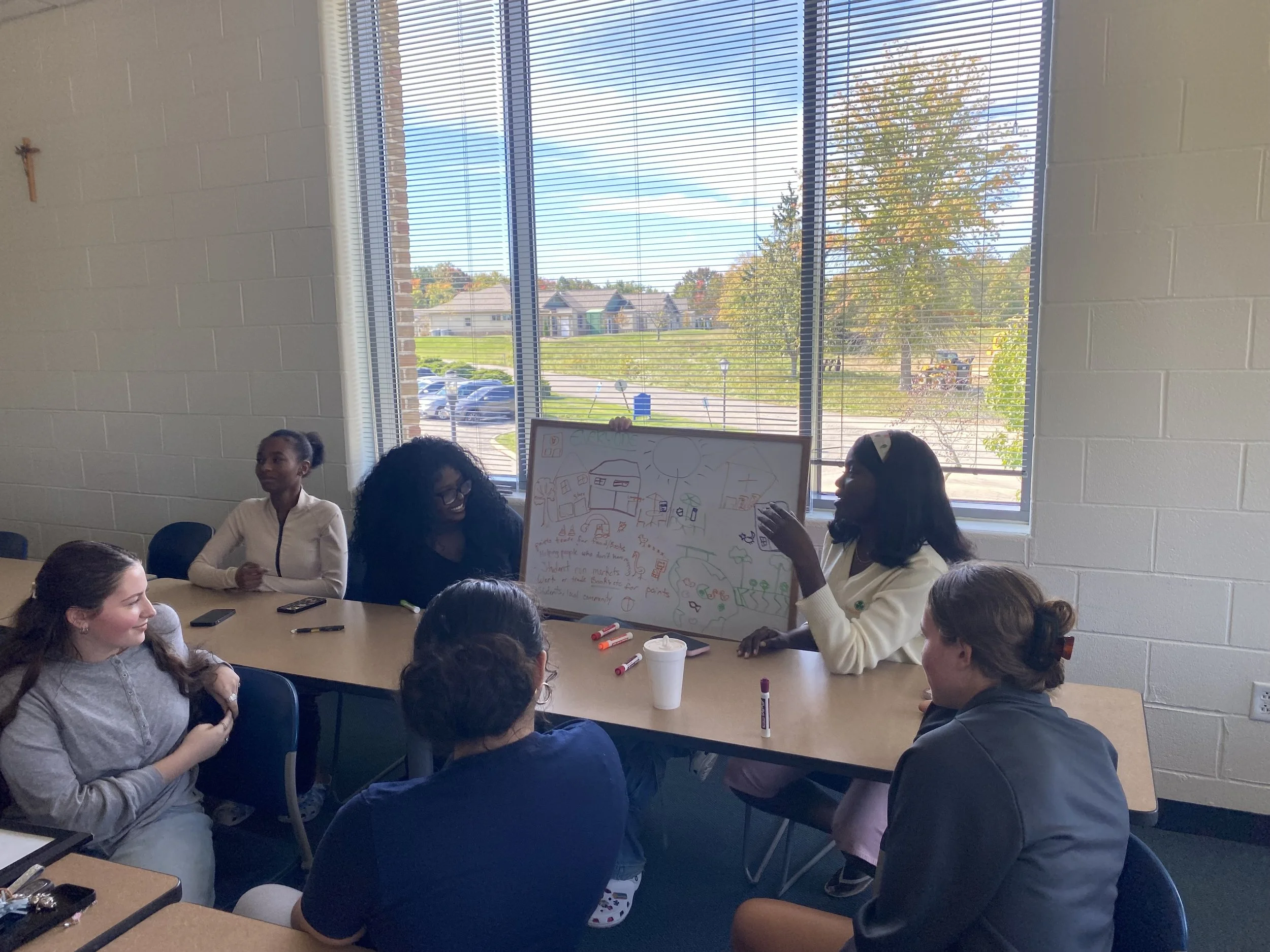
Ripple workshops help students see themselves as rooted citizens, capable of real change in their communities.
Bring generative, place-based learning to your campus.
Interactive faculty development, student workshops, and keynote experiences that help universities move beyond assignment completion toward inquiry, interdisciplinary thinking, and community-connected work.
“ At Ursuline, we want our largely local student body to walk away from our humanities classrooms with the ability to be curious, to craft creative narratives, to innovate in community, to listen deeply, and to value reciprocity. The Ripple Deck pushes our students—many of whom are studying the healing arts—to think in non-linear ways and to consider how their own lives and perspectives might intersect and overlap with the broader social fabric beyond university walls. This deck pushes students to think of themselves as rooted citizens, capable of making concrete change and difference in their communities—it’s a tool that allows them to envision new, different, and hopeful futures.”
-Katie Trostel, humanities professor, Ursuline College
We worked with Ursuline College to provide a faculty training, a student workshop, and will be leading a workshop at their Rust Belt Humanities Symposium in April 2027.
WHY RIPPLE ON A CAMPUS?Ripple gives students a way to see their education and their region as connected, and to leave with an idea they can act on in a real place.
❋ WHO IT'S FORHumanities and writing courses, first-year and honors seminars, teacher education courses, healing arts programs, design innovation hubs, and offices of community-engaged learning.
❋ WHAT STUDENTS GAINPractice in curiosity, deep listening, and creative narrative, and a project idea rooted in their own community.
❋ WHAT FACULTY GAINA hands-on tool that works in any discipline with almost no prep, and a structure for community-engaged learning that students remember.
❋ WHAT YOU KEEPEvery participant leaves with a Ripple deck. Your projects can join the Edshed Map, alongside students across the region.
THREE WAYS TO BRING RIPPLE TO YOUR CAMPUS:
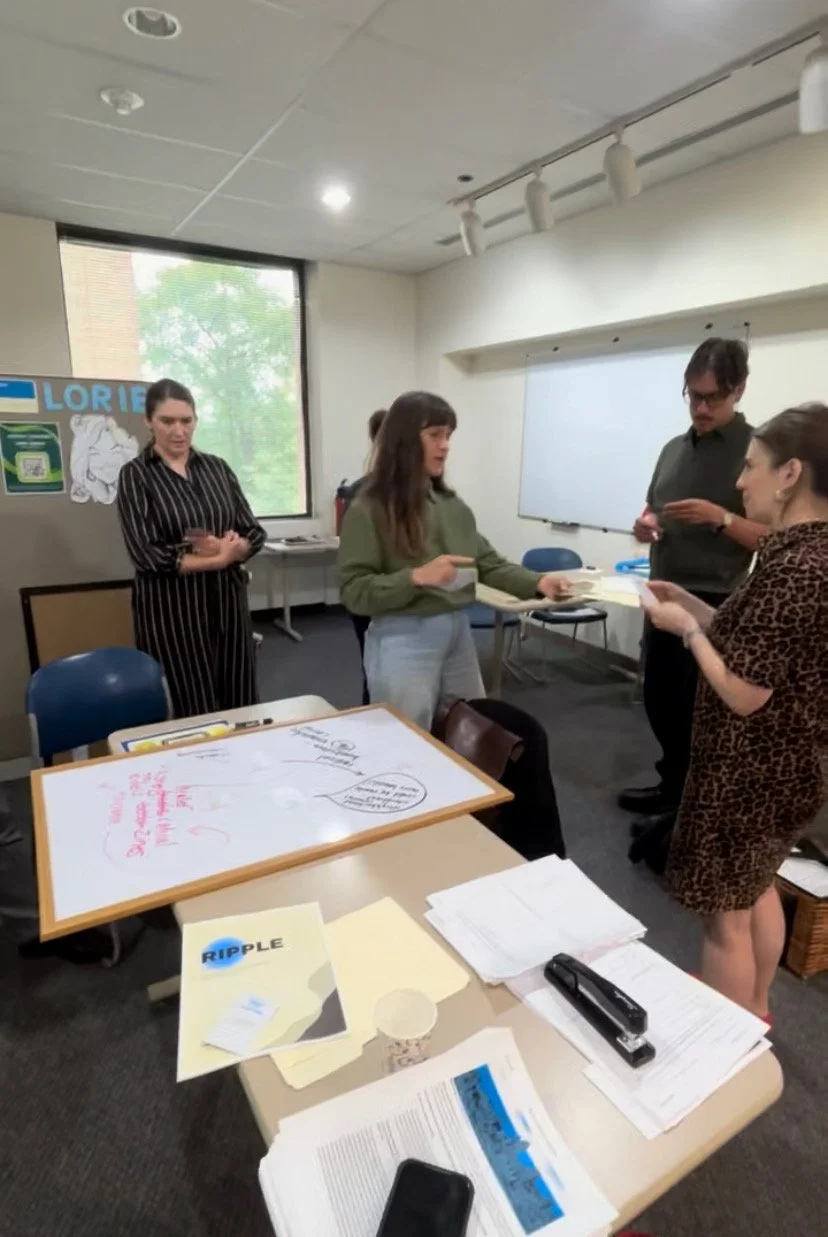
FOR A CLASS OR DEPARTMENTRipple Workshop
A 90-minute session where participants use the deck to map the strengths of their community, find connections across their own interests, and generate project ideas grounded in real places. Because Jess leads it, faculty see the deck at its best and learn the facilitation moves that make it work, so they leave ready to run Ripple on their own.
Length90 minutes
best fora class, department, or faculty group
Group sizeup to 25
includesfacilitation by team, all materials for the session
investmentfrom $1,500, decks additional

FOR FACULTY DEVELOPMENTHalf-Day Training
Faculty experience Ripple the way their students will, then go deeper. They learn the foundations behind it, appreciative inquiry and place-based learning, and use them to rework part of a course around a community-rooted project. Everyone leaves with a plan they can put to work next semester, and the materials and support to carry it out.
Length3-4 hours
best forfaculty development, teacher education
Group sizeup to 25
includes10 Ripple decks, the digital Field Guides, a course-redesign template, and a 60-minute follow-up call
investmentfrom $3,000
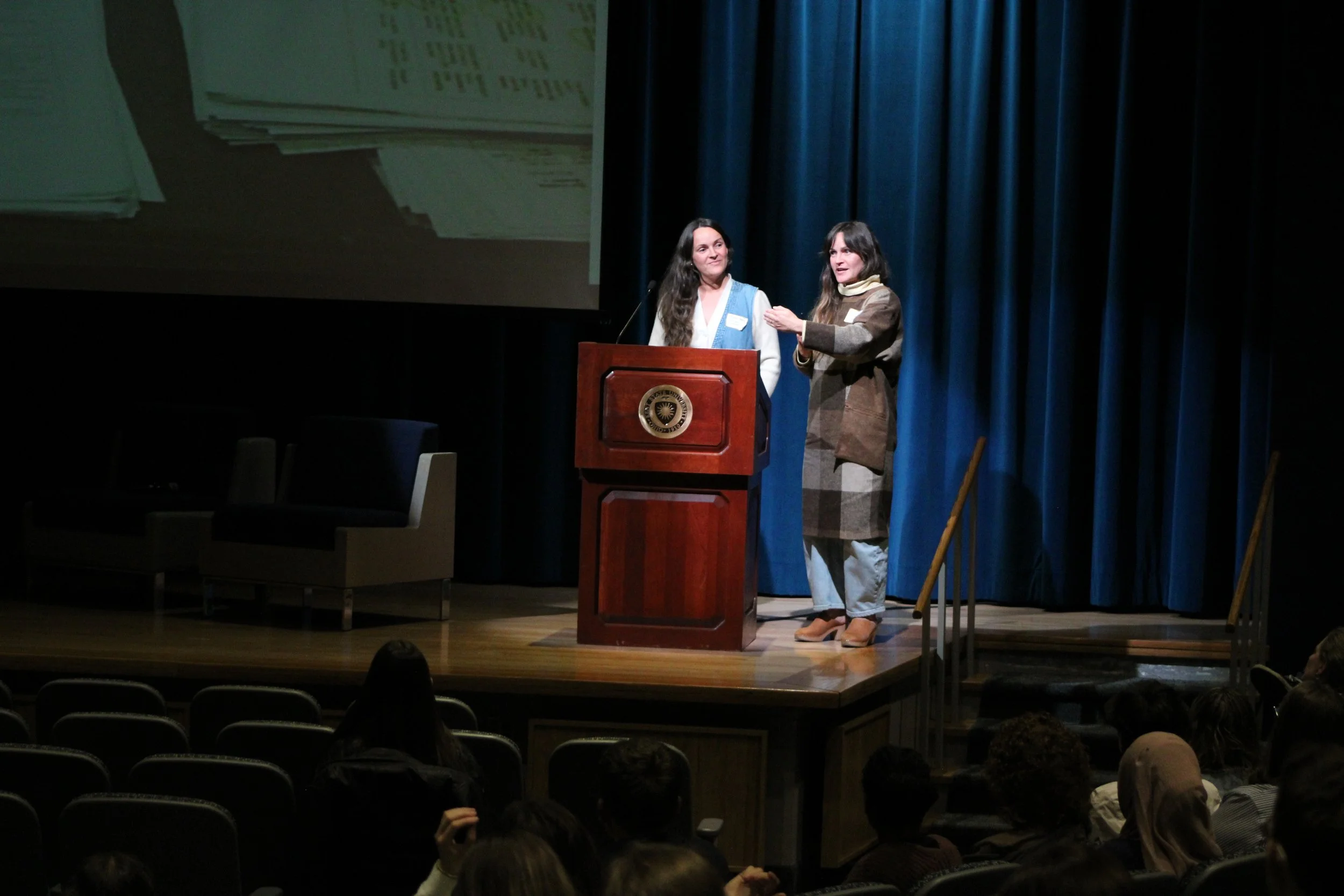
Symposium & Event Package
FOR SYMPOSIA & EVENTSA Ripple workshop built into your conference or symposium, emphasizing the WHY behind place-based, real-life learning with an appreciative inquiry focus. Attendees will receive their own decks to take home and use with students and community members after the event.
Lengthfits your program
symposia, conferences, campus-wide events
best forGroup sizeany size
facilitation, custom planning with your team
includesfrom $2,500, plus decks at $40 per attendee
investmentGO DEEPER: EDSHED PROGRAMS
The Edshed is a framework for designing learning that flows between school and community, so students' work strengthens the places they live. These programs bring the full framework to your faculty, using Ripple as the method.
FOR SUMMER FACULTY DEVELOPMENT
Edshed Summer Institute
A full-day institute where faculty move from big ideas to concrete plans. Participants explore place-based systems thinking and appreciative inquiry, experience Ripple as their students will, and spend the afternoon redesigning an assignment or course component around community-rooted work. Every faculty member leaves with a plan for fall, the tools to carry it out, and a cohort to return to.
Length: one full day, plus planning and fall follow-up
Best for: teaching and learning centers, faculty development, teacher education
Group size: 20–30 faculty
Includes: a planning call with your team, a Ripple deck for every participant, the digital Field Guides, course-redesign resources, and a virtual follow-up session in the fall
Investment: from $7,500, plus travel
FOR CAMPUS-WIDE INITIATIVES
Edshed Campus Partnership
For institutions ready to make community-rooted learning part of their culture, across departments. We begin with campus leadership to identify your priorities and community opportunities, then spend two days on campus: a faculty institute and a design lab where students and community partners build projects together. Through the fall, faculty implement as a cohort with ongoing support, and you receive a report documenting the course redesigns, projects, and community connections that came out of the work.
Length: two campus days, with planning beforehand and support through the fall semester
Best for: provosts, deans, and offices of community-engaged learning
Group size: multiple departments
Includes: a leadership planning session, 30–50 Ripple decks, the Field Guides and redesign resources, a faculty implementation cohort, two virtual follow-up sessions, and an outcomes report
Investment: custom proposal
MEET THE SPEAKERS:
Jess Boeke and Sarah Pottle
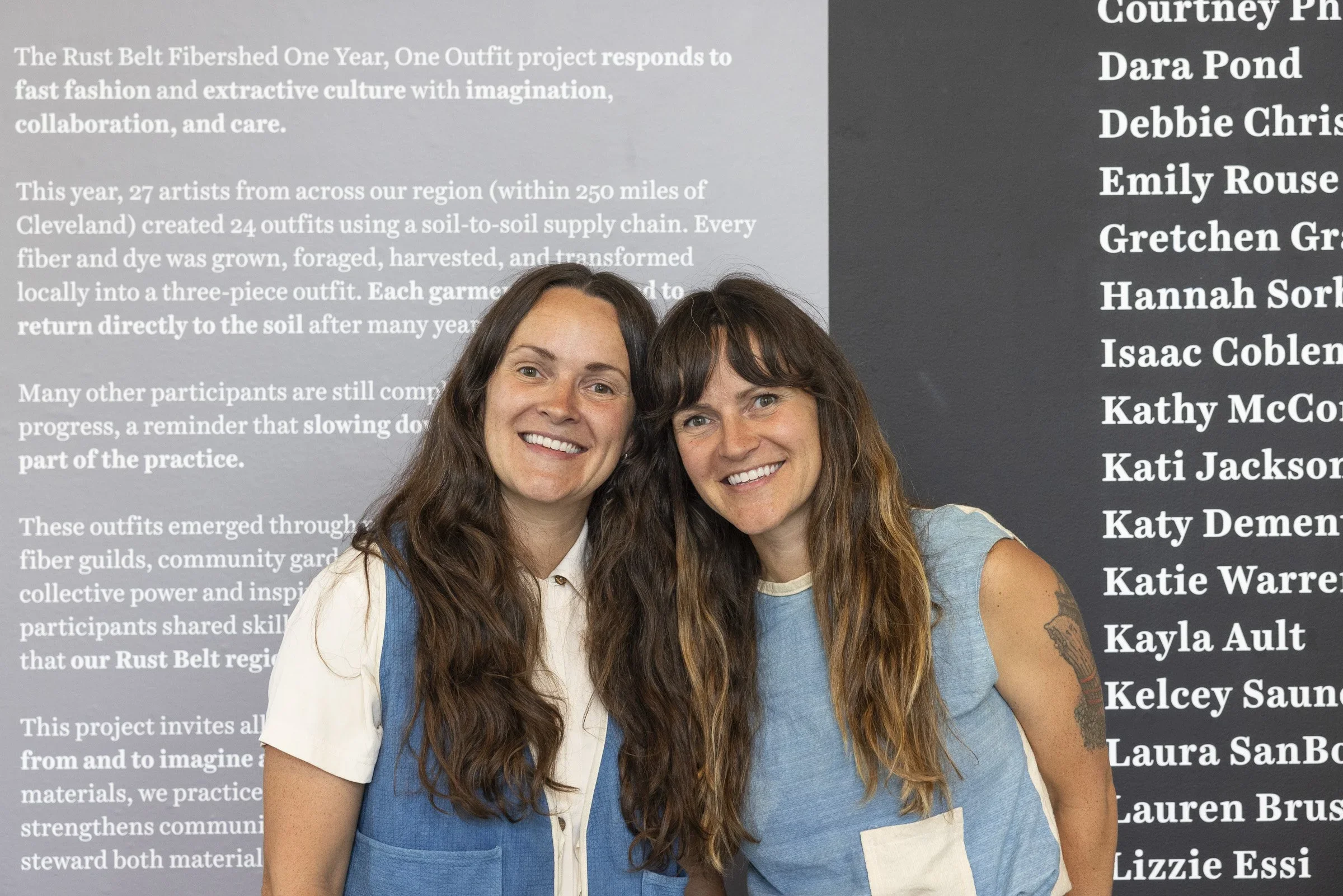
Jess Boeke and Sarah Pottle are twin sisters who have spent their careers at the intersection of education and place. Together they co-founded Rust Belt Fibershed, a bioregional textile network spanning 250 miles around Cleveland, as well as Grounded Teaching and the Regenerative Ed podcast.
Jess is a National Board Certified English teacher with 20 years in the classroom, the creator of Ripple, and the author of the forthcoming book The Edshed: The Forgotten Flow Between School and Place. Sarah spent 8 years designing and facilitating professional development nationally for TNTP and now leads work with schools on staff culture and regenerative practice.
They speak on place-based systems: how learning, economies, and communities grow stronger when people learn to read the places they live.
Book Jess or Sarah individually, or both together.
Keynote topics:
Reading Place: what it means to be literate in your own community, and why that literacy is the foundation for change.
The In-Between Is the Infrastructure: what Rust Belt Fibershed has learned about the relationships that hold regional systems together.
PLANNING SOMETHING FOR YOUR CAMPUS? HERE'S WHAT ORGANIZERS USUALLY ASK FIRST.
-
Workshops are led in person across Ohio, Michigan, and Western PA/ NY. Travel beyond 250 miles is quoted separately. Virtual sessions are available for faculty trainings and follow-up calls.
-
Yes. Ripple invoices institutions directly and accepts purchase orders, so you can book through your usual process.
-
Yes. Before every booking, we'll talk through your students, your goals, and your community, so the workshop connects to what you're already teaching or celebrating.
-
Two to three months is ideal, especially for spring and summer dates, which fill first. Shorter timelines are sometimes possible, so ask.
-
Your campus bookstore can order Ripple decks at a discounted rate for course adoption, or your department can purchase them in bulk directly.
-
The deck gives you the tool, which many teachers can use on their own. A workshop shows you how to use it well. You'll see Ripple facilitated the way it's designed to run, and leave ready to lead it with your own students.
-
Yes. Summer is when most campuses schedule faculty development, but the institute works any time of year, including January intersessions and fall in-service days.